Strategies for Managing Rising Music Festival Infrastructure Costs.
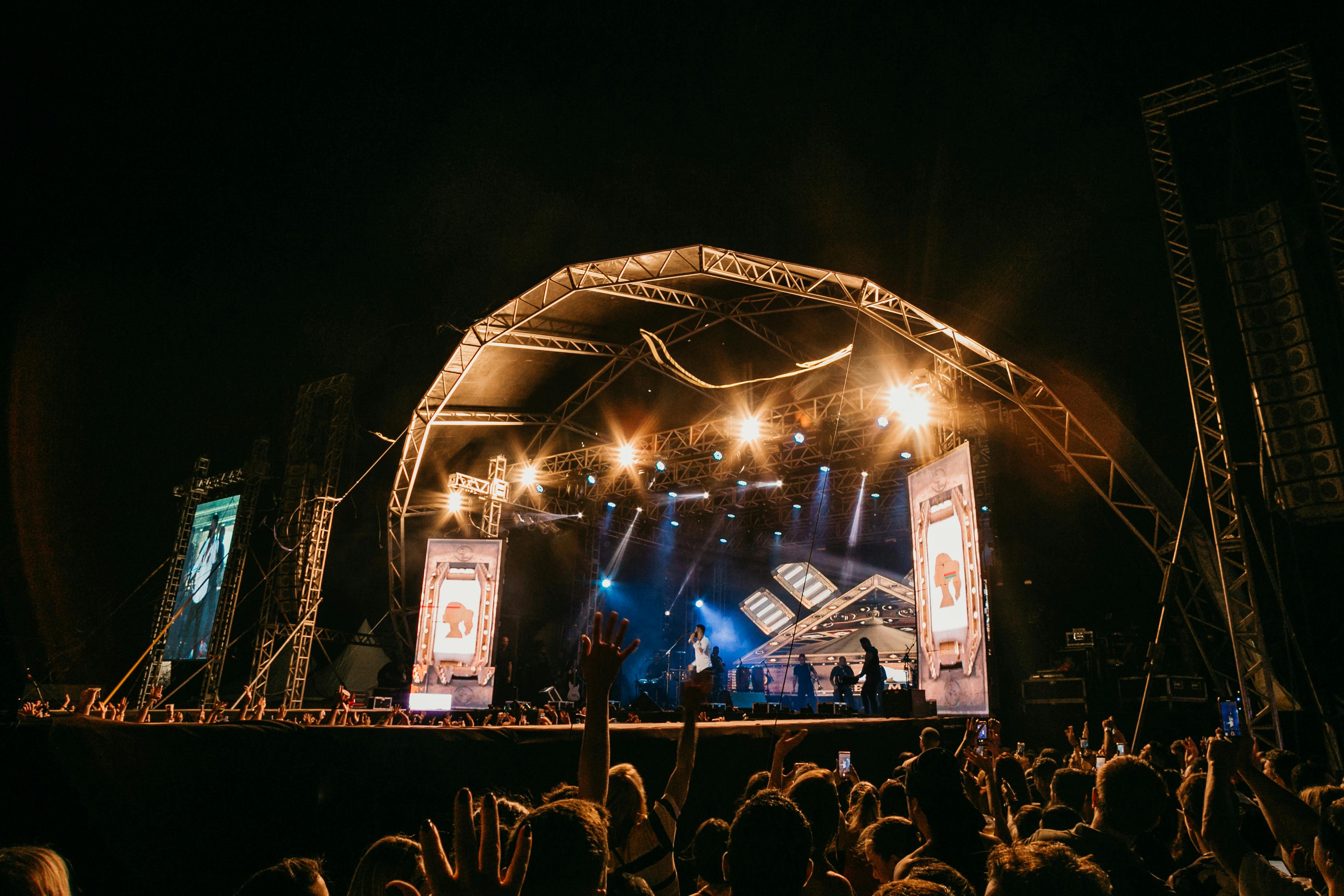
The cost of putting on a music festival continues to rise pushing organiser's slim margins to the limit. In addition, the cost-of-living crisis in many western economies has given consumers less disposable income making music event tickets price sensitive. What strategies can organisers use to manage their infrastructure costs to increase margins without raising ticket prices.
Almost every aspect of building a music festival has become more costly in recent years. From specialist labour shortages, rising insurance premiums to raw material costs everything seems to be increasingly expensive. Festival ticket prices are experiencing increased sensitivity among festival-goers so organisers need to find alternative ways to maintain their profit margins and stay in business.
The Inflation Hangover.
In the post coronavirus pandemic era most economies experienced exceptionally high levels of inflation with energy costs increasing above national rates. The traditional suppliers to the music festival sector have seen their running costs increase with rising taxes, rents and material costs. These increased expenses have forced many suppliers to pass on these higher costs to festival entities. Although inflation and interest rates are easing in many economies some businesses are still experiencing an inflation hangover.
Insurance Costs.
Specialist event insurance premiums have increased significantly but organisers can consider negotiating with suppliers to adjust coverage to reduce their premiums. Organisers can investigate parametric insurance where claims for damage are only made if a pre-agreed ‘trigger’ occurs. This can include weather measurements like wind speed which if it exceeds a given parameter causing damage the insurer will payout a claim automatically. Using this method reduces the risk premium that insurers charge because a potential payout is based on objective data (wind speed or rainfall) rather than subjective loss adjustments.
Temporary Structures.
Any large-scale music festival using a greenfield site will need numerous temporary structures including stages, fencing, office space and marquees for example. A custom-built stage along with a dressing skin can be incredibly expensive and organisers can consider moving to pre-built modular stage system which are much cheaper. For other temporary structures like hospitality and office space organisers could consider using modular shipping containers or similar structures. More organising entities are purchasing modular components for stages, flooring, containers and marquees because although is it a capital expenditure the expense can be written off over a number of years but still retain a residual value. These assets can typically pay for themselves within 3.5 cycles with the spread costs plus storage and ongoing maintenance being more cost effective than an annual rental where prices increase every year. Some spatial optimisation simulation exercises for an entire festival site can help to eliminate dead zones and optimise foot traffic reducing the overall site size potentially saving on perimeter fencing costs.
Waste Management.
Festival organisers are under increased pressure to be more demonstrably sustainable and waste management has become a key element in achieving this. Technology is assisting with more dynamic waste collection using on-site sensors alerting contractors when to perform waste collection during the event. Agreements with contractors and vendors ensure that they fully embrace the festival's waste management strategy reducing overall event waste. This real time waste management and the mandating of partners reduces the need for intensive post event clean up exercises.
Power Management.
Most music festivals consumes vast quantities of power traditionally delivered using diesel powered generators, whilst most of these generators now use hydrotreated vegetable oil the fuel costs continue to rise. Even switching to greener hydrogen power organisers can still be faced with rising fuel costs. The solution to reducing power generation costs is to use a hybrid smart grid system using a Battery Energy Storage Systems (BESS) to handle peak loads. This makes the power consumption more efficient reducing overall costs with the benefit of lower emissions and a reduced carbon footprint. For organisers using traditional generators (diesel or hydrotreated vegetable oil) it may be possible to hedge anticipated future fuel costs by purchasing a fuel contract at a fixed price 6 months in advance of a live event date.
Other Strategies.
Festival organisers can start working more closely with other organising entities to form partnerships to share the burden of costs. This may be possible when looking at temporary structure usage, especially if organisers have events on different dates. Some of the festival industry associations may be able to help facilitate sharing agreements. The same principle can be applied to specialist event staff who often work on a contract basis and can be made available between different festivals throughout a year saving on recruitment costs.
For festival organisers planning their next event using a software management platform like Festival Pro gives them all the functionality they need manage every aspect of their event logistics. The guys who are responsible for this software have been in the front line of event management for many years and the features are built from that experience and are performance artists themselves. The Festival Pro platform is easy to use and has comprehensive features with specific modules for managing artists, contractors, venues/stages, vendors, volunteers, sponsors, guestlists, ticketing, site planning, cashless payments and contactless ordering.
Image by Jonathan Borba via Pexels
<< Back to articles
Contact us
Get in touch to discuss your requirements.
US: +1 424 485 0220 (USA)
UK: +44 207 060 2666 (United Kingdom)
AU: +61 (2) 8357 0793 (Australia)
NZ: +64 (0)9887 8005 (New Zealand)